How to Secure Your Home UK – A Complete Practical Guide
September 8, 2026•admin•8 min read
How to Secure Your Home UK – A Complete Practical Guide
Key Takeaways
Over 60% of UK burglaries involve no force at entry — an unlocked door or window is the most common point of entry.
The most cost-effective security upgrades are: good locks (BS 3621), motion sensor lights, and a visible alarm bell box.
Home security should be layered: perimeter (fencing, lights), entry points (locks, doors), and interior (alarm, cameras).
Neighbourhood Watch membership reduces burglary risk by up to 26% in participating areas.
Smart home security — video doorbells, smart alarms — adds convenience but is not a substitute for good physical security basics.
Knowing how to secure your home in the UK is about more than buying an alarm and hoping for the best. Effective home security is a layered approach — combining strong physical barriers, visible deterrents, electronic monitoring, and good daily habits to make your property a significantly less attractive target. This practical guide covers everything UK homeowners and renters need to consider in 2026, from the most basic free steps to the systems and devices that genuinely make a difference.
Understanding Burglary Risk in the UK
Around 290,000 domestic burglaries were recorded in England and Wales in the year to March 2025, according to the Office for National Statistics. Crucially, the vast majority are opportunistic — a burglar notices a vulnerability and acts quickly, typically spending fewer than five minutes at a property. That means most burglaries can be prevented or deterred by making your home look like a harder target than the next one. You do not need to make your home impenetrable; you need to make it noticeably less easy than average.
Research from Home Office studies on burglary identifies the most common risk factors: poor door and window locks, absence of security lighting, lack of visible alarms or cameras, and high levels of cover (overgrown hedges, unlocked side gates).
Layer 1 – Physical Security (Doors and Windows)
Front Door
The front door is the most common entry point for burglars. Key upgrades:
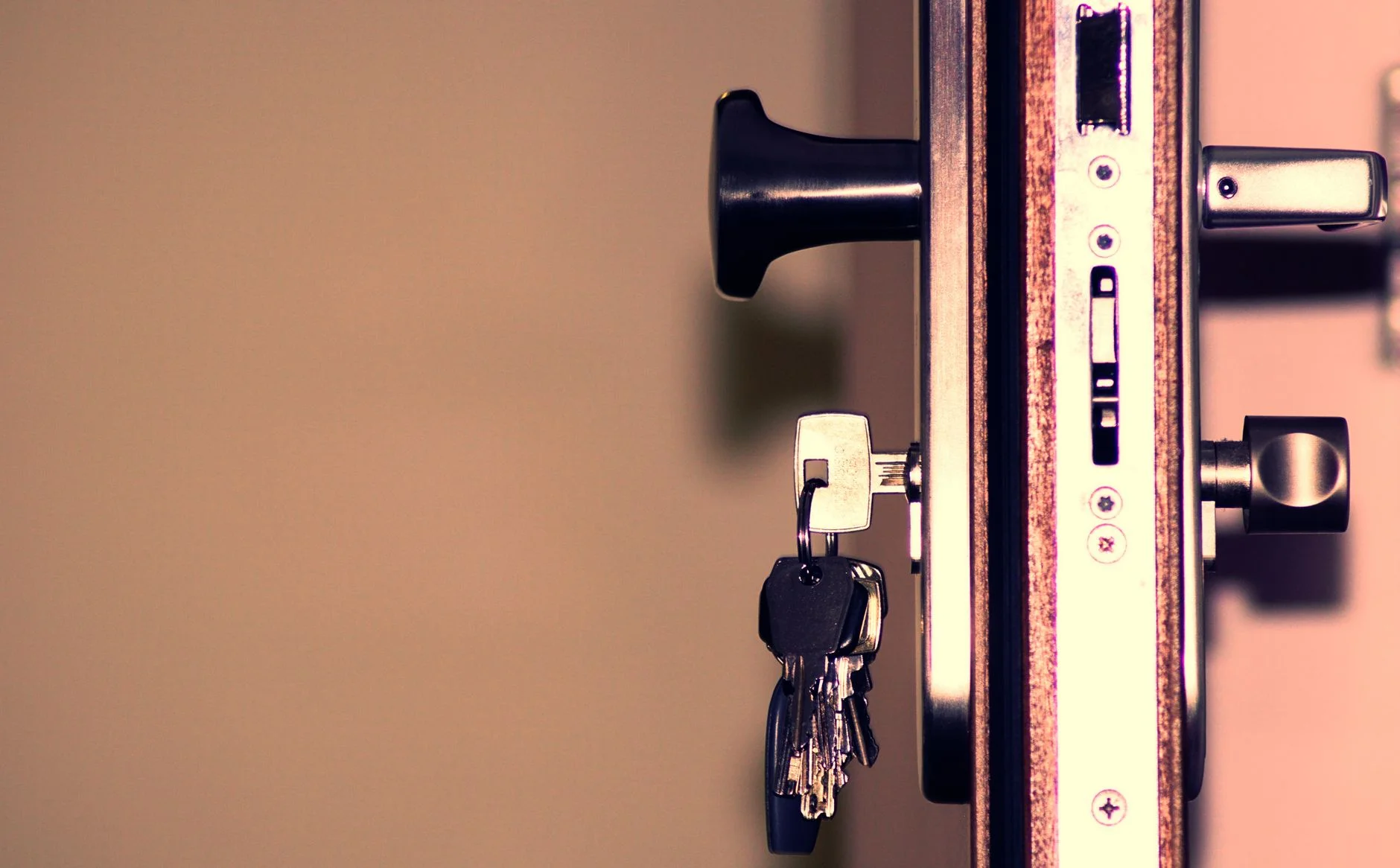
Anti-snap Euro cylinder – Cylinder snapping is one of the most common burglary methods in the UK. Replace your cylinder with a TS007 3-Star anti-snap, anti-pick model (Ultion, Yale, or Avocet brands recommended). Cost: £30–£60, self-installable in 20 minutes.
Multipoint locking – Modern uPVC and composite doors typically include multipoint locks, but many homeowners don’t actually engage all the lock points. You must lift the handle and turn the key to fully lock a multipoint — pressing the handle closed only latches the door.
Door reinforcement – A door chain or security bar adds resistance against kick-in attacks. Steel reinforcement plates around the lock area prevent splitting.
Letterbox cage – A letterbox cage on the inside of the door prevents burglars using your letterbox to fish for keys left on hall tables — a surprisingly common crime.
Windows
Ground-floor and easily accessible first-floor windows are primary targets. Fit key-operated window locks on all accessible windows, particularly at the rear. For sash windows, sash locks are available. Never leave keys in window locks or within reach of the window.
Side Gates and Outbuildings
A high-quality padlock (look for those rated Sold Secure Gold) on your side gate and any outbuildings is essential. A bolt on the inside of the gate adds further resistance. Consider anti-climb paint or trellis on top of boundary walls and fences — a visible deterrent that also makes climbing uncomfortable.
Layer 2 – Deterrents (Alarms and Lighting)
Alarm Systems
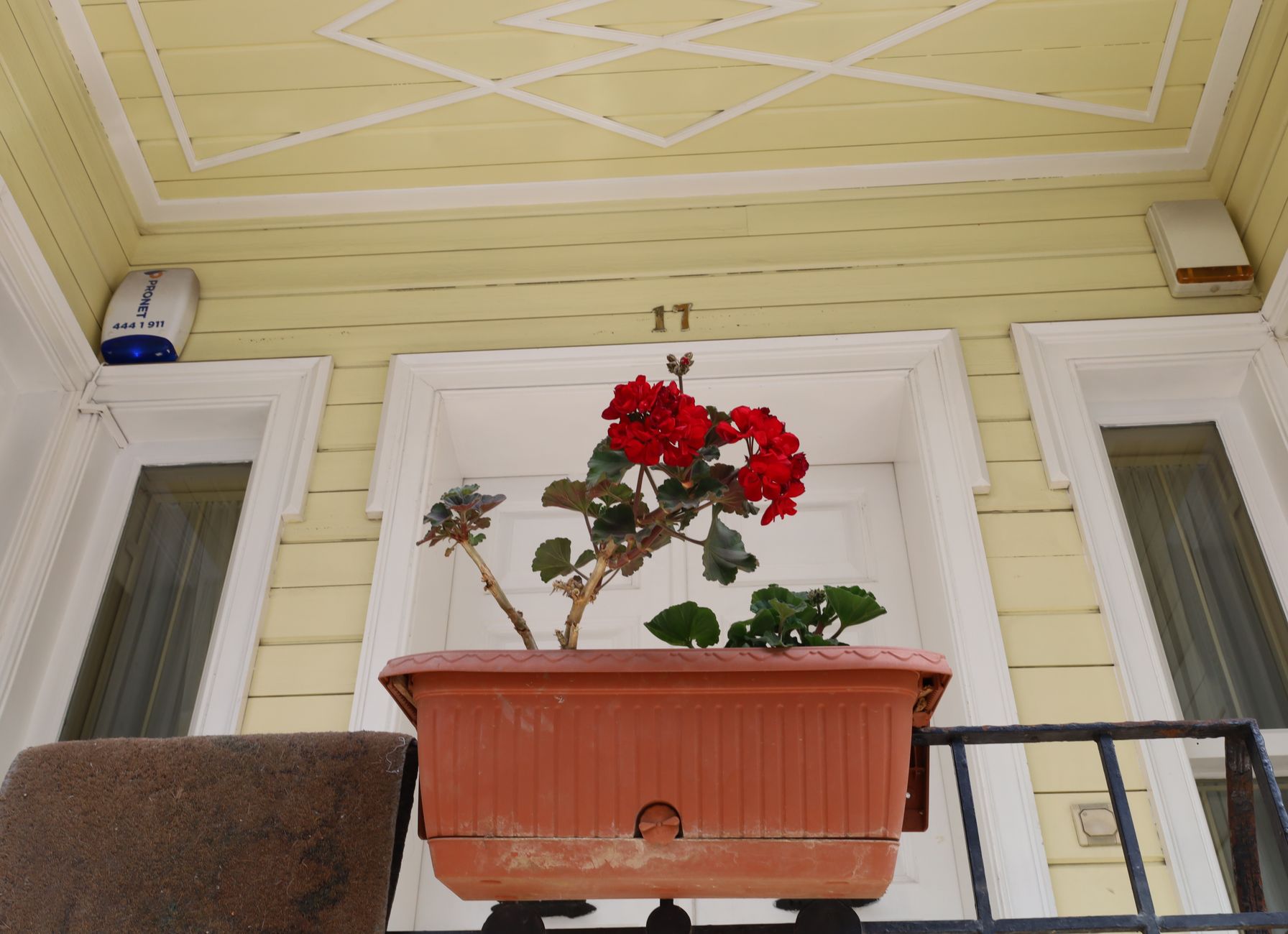
A visible alarm bell box on the front of a property is one of the most effective deterrents. Even without the alarm triggering, the box signals that the property is protected. For actual alarm systems, the UK market offers everything from sub-£100 DIY kits to professionally installed Grade 2 systems. Our guide to the best home alarm systems in the UK covers the full range.
For most UK homes, a self-monitored wireless alarm (Yale Sync, Ring Alarm, or similar) provides excellent deterrence and immediate app notifications. Those needing police-response capability need an NSI or SSAIB approved installation — see our dedicated guide on NSI approved alarms.
Security Lighting
Motion-activated floodlights at the front and rear of the property are among the most cost-effective deterrents available. A mains-powered 50W LED floodlight costs £25–£40 and can be installed by a Part P certified electrician for modest additional cost. The sudden activation of a bright light startles intruders, removes their cover, and alerts neighbours. Our guide to motion sensor lights UK covers the best models in detail.
Layer 3 – Electronic Monitoring (Cameras and Smart Devices)
Outdoor Cameras
Visible CCTV cameras deter opportunistic crime and provide evidential footage if an incident does occur. Position cameras to cover the front door, driveway, side gate, and rear garden. Our guide to the best outdoor security cameras covers top models for every budget.
Video Doorbell
A video doorbell lets you see and speak to anyone at your door remotely — essential for deterring doorstep crime and package theft. Ring and Nest are the two leading brands. See our detailed Ring vs Nest comparison for which suits UK homes better.
Smart Locks
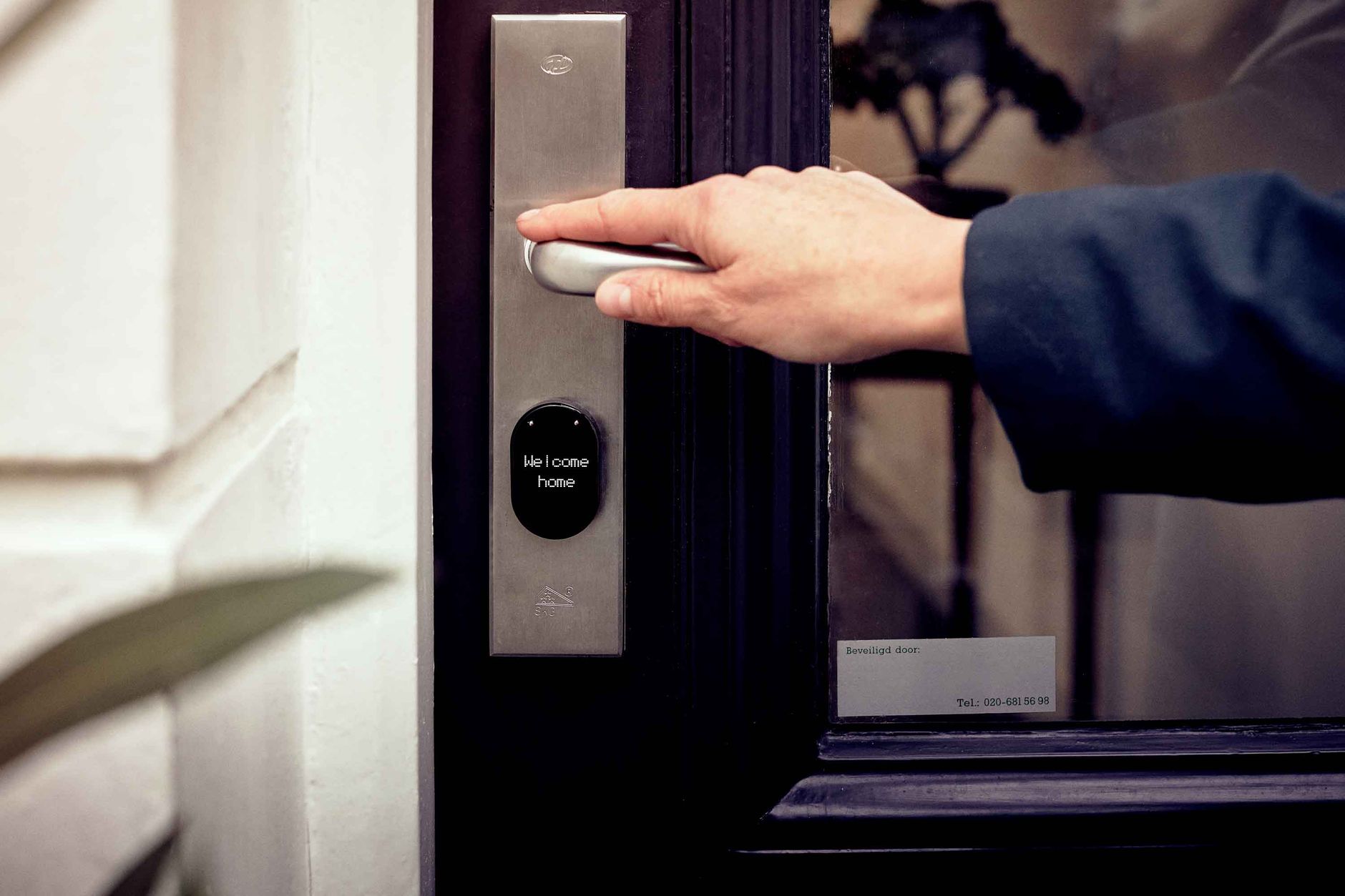
Smart locks add access logging, temporary key sharing, and remote locking capability to your existing front door. They don’t replace good physical security but add a useful layer of control. See our smart locks UK review for compatible options.
Priority Checklist by Budget
Budget
Priority Actions
Free
Lock all doors and windows, join Neighbourhood Watch, request a free home security assessment from police
Securing your home effectively is achievable at any budget. Start with the basics — strong cylinders, locked windows, and good lighting — and add layers of electronic monitoring and alarm protection as your budget allows. The goal is not perfection but to be a noticeably less attractive target than an unsecured neighbour. Work through the priority checklist above, combine it with sensible daily habits, and your home will be substantially safer. Browse our detailed guides on specific topics — from alarm systems to budget security tips — for deeper advice on each element of your security plan.