Home Security on a Budget UK – Protect Your Home for Less
September 7, 2026•admin•8 min read
Home Security on a Budget UK – Protect Your Home for Less
Key Takeaways
You can achieve solid home security in the UK for under £150 with the right combination of products.
A Yale or ERA BS 3621 deadlock (£20–£40) is the single best security upgrade for most UK front doors.
A DIY alarm kit (Yale Easy Fit, Ring Alarm) deters most opportunistic burglars and costs £80–£150 — no installation fee required.
Free measures like joining Neighbourhood Watch, using timer plugs for lights, and keeping side gates locked cost nothing but significantly reduce risk.
Smart video doorbells (Ring Video Doorbell Essential, ~£55) provide visible deterrence and evidence at a low entry price.
Home security on a budget is more achievable than most people realise. The good news: a significant proportion of UK burglaries are opportunistic — a burglar spots an easy target and acts quickly, rather than planning an elaborate heist. That means even low-cost deterrents and basic physical measures can substantially reduce your risk. This guide covers the most effective budget-friendly steps UK homeowners and renters can take in 2026, from free actions you can do today to inexpensive purchases that punch well above their price tag.
The Burglary Risk Reality in the UK
Data from the Office for National Statistics shows that the majority of residential burglaries in England and Wales occur through unlocked doors and windows or through weak entry points that would not resist a few seconds of force. The most targeted properties tend to lack visible deterrents — no alarm, no CCTV, poor lighting, and overgrown shrubs that provide cover. Addressing these risk factors costs far less than most people assume.
Free and Near-Free Steps You Can Take Today
1. Always Lock Up Properly
It sounds obvious, but the police estimate that around 30% of burglaries involve no forced entry at all — burglars simply walk in through an unlocked door or window. Before leaving the house and before going to bed, check every door and window is locked. Double-lock your front door using the key (many uPVC multipoint locks must be key-locked to engage all the bolts — pressing the handle closed is not enough).
2. Don’t Advertise When You’re Away
Social media posts about holidays, deliveries stacking up at the door, and lights that never change are signals that a property may be unoccupied. Use plug-in light timers (available for around £10–£15) to make it appear someone is home. Ask a trusted neighbour to collect post and put bins out. Register with the Royal Mail Keepsafe service if you’ll be away for an extended period.
3. Secure Side Gates and Fences
An unlocked side gate is an invitation to the rear of your property, which is the most common entry point for break-ins. A good padlock costs £15–£30. Add a bolt to the top of the gate on the inside for additional security. Trellis or anti-climb paint on top of garden walls and fences adds further deterrence at low cost.
Budget Security Purchases With the Best Return
Product
Approximate Cost
Benefit
Door chain / bar
£10–£25
Stops door being forced from outside while you answer
Window locks (key-operated)
£5–£15 per window
Prevents windows being forced open
Plug-in light timers
£10–£15 each
Occupancy simulation when away
Security door bar
£15–£30
Braces door against kick-in attacks
Motion sensor light (mains)
£20–£40
Startles and exposes intruders at night
Dummy CCTV camera
£10–£20
Visual deterrent (limited effectiveness alone)
Yale door alarm
£15–£25
Loud audible alert if door opened
Budget wireless alarm kit
£50–£100
Audible deterrent, app alert (self-monitored)
Upgrade Your Locks Without Breaking the Bank
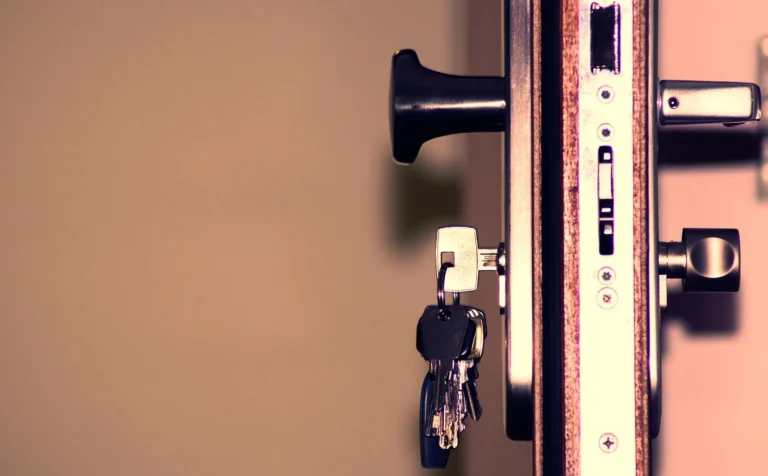
The single highest-impact physical security upgrade for most UK homes is replacing a cheap Euro cylinder with a quality anti-snap, anti-pick cylinder. Cylinder snapping — where a burglar breaks off the protruding part of the cylinder with a blunt tool — is one of the most common burglary methods in the UK, and cheap cylinders offer almost no resistance. A TS007 3-Star rated cylinder, such as those from Ultion or Yale, typically costs £30–£60 and can be replaced by most homeowners in 20 minutes with a screwdriver. This is arguably the single best pound-for-pound security upgrade you can make. Ask a locksmith if you’re unsure — search for one on the Which? locksmith guide.
Budget Alarm Options
A full professionally monitored alarm system can cost hundreds of pounds upfront plus a monthly fee — but you don’t need to spend that to get meaningful protection. Entry-level self-monitored wireless alarm kits from Yale, Ring, and Lupus are available from around £80–£150. These include a loud siren, a hub, motion detectors, and door contacts, and connect to your phone via an app. They won’t give you police response or insurance discounts equivalent to an NSI certified system, but they will alert you to an intrusion and make noise that deters opportunistic burglars. See our guide on best home alarm systems UK for a full comparison including budget options.
Free Advice: Operation Reduce and Neighbourhood Watch
Many UK police forces run a free home security assessment programme. Officers or trained volunteers visit your home, identify vulnerabilities, and offer personalised advice at no cost. Contact your local neighbourhood policing team or visit GOV.UK to find your local police service and ask about Operation Reduce or equivalent schemes. Joining your local Neighbourhood Watch scheme is free and significantly reduces burglary risk in participating streets through community vigilance.
Lighting as a Deterrent
Good lighting is one of the cheapest and most effective deterrents available. Burglars hate to be exposed. A mains-powered PIR motion sensor floodlight covering the driveway and rear garden costs £20–£40 and requires only basic wiring. Solar-powered motion lights are even simpler to install (no wiring at all) and cost £15–£30, though performance dips in UK winter. For our full recommendation on lighting, see our motion sensor lights guide.
What to Prioritise on a Limited Budget
If you can only spend £50–£100 total, focus in this order:
Anti-snap cylinder (£30–£60) – The single most impactful upgrade
Motion sensor light (£20–£40) – High deterrent value, low cost
Window locks (£10–£15 per window) – Address the most common entry points after doors
Once those basics are covered, consider a budget wireless alarm kit and a doorbell camera as your next steps. Read our complete home security guide for a comprehensive priority list regardless of budget.
Final Thoughts
Effective home security on a budget starts with the basics: locking up properly, replacing a weak cylinder, fitting motion-activated lighting, and joining your local Neighbourhood Watch. Add a budget alarm kit and a doorbell camera when funds allow. None of these measures individually guarantees security, but combined, they make your home significantly less attractive to opportunistic burglars — which is exactly what most UK residential crime prevention is about.